BE REAL’s BodyKind™
A Peer-Led College Body Confidence Seminar for student activity groups

College BodyKind Is a Peer-led Body Image Seminar for College Students
Today’s explosion of visual social media use–like Instagram and TikTok– has created an epidemic of body image problems. In May 2023, the U.S. Surgeon General issued an advisory about the effects of social media on youth mental health that warns, “Social media may perpetuate body dissatisfaction, disordered eating behaviors, social comparison, and low self-esteem.” (Surgeon General Advisory, 2023). In June 2024, Dr. Murthy recommended a warning label (like on alcohol and cigarettes!) to be put on social media sites because of the serious mental health risks.
- Research ties body image issues to eating disorders, anxiety, depression, and suicidal ideation (Perkins & Brausch, 2019; McLean et al., 2022).
- We know that young people who don’t like their bodies often suffer from low self-esteem and are more likely to abuse drugs and alcohol (Bornioli et al., 2019).
- College students are at over twice the overall risk for eating disorders at 28% (Daly & Costigan, 2022).
- 40% of college students report disordered eating behavior in the last month (Lipson & Sonneville, 2017).
- There is a critical need for a body image discussion at the college level.
BE REAL’s Bodykind seminar includes:
Three 50-minute modules
BE REAL’s College Bodykind Module Summaries
Module 1 - Appearance Bias
Participants learn about appearance bias—when a person is judged and treated differently based on how they look, rather than who they are or how they behave. Participants read a collection of other people’s body stories, gaining an awareness of how people of different sizes and abilities, with different skin shades, facial features, sexualities and gender representations experience the world. Participants explore how body confidence can be enhanced by (1) viewing their bodies as instruments, not ornaments, (2) having gratitude for what their body does for them everyday, and (3) accepting natural body diversity.
59% (2022) 48% (2023) of high school students thought this module empowered them to challenge the appearance bias they encounter in their lives
Module 2 - Social Media, Comparisons & Self-Compassion
Once participants become aware of appearance pressures, they analyze how these pressures show up in their lives and in the media. Participants learn how self-compassion can be an effective tool to cope with the negative comparisons people make to other people.
54% (2022) 55% (2023) of high school students believed this module helped them use self-compassion to challenge their self-critical thoughts
Module 3 - Compassion for Others
Module 3 teaches participants how to apply the compassion they have shown to themselves in Module 2, to other people in their lives. Participants discuss challenges college students face to accepting their bodies in order to gain an awareness of Common Humanity. Students learn how to build a kinder environment and reduce appearance pressures by reducing “body talk.“ Students discuss cultural myths about bodies that we all encounter in the world today, alongside corresponding facts from the research.
69% (2022) 68% (2023) of high school students thought this module helped them realize that being compassionate to others can help everyone feel better about themselves

BodyKind Research Findings
Be Real’s college BodyKind seminar was informed by years of research and development of Be Real’s high school BodyKind curriculum. We’ve kept the core subject matter identical in College BodyKind, while deepening the discussion and adding relevant topics for college students. Below are the results from our 2024 Randomized Control Trial (RCT) and pilot studies on BodyKind, created and analyzed by our academic team.
- 2024 RCT. 35 teachers delivered BodyKind to 1,150 students in an RCT in Ireland. The RCT found statistically significant increases in Body Appreciation for students after participating in BodyKind lessons.
- At the 12 week follow-up, we found increases in self-compassion and body satisfaction!
- Teachers and students valued the intervention, with 100% of teachers likely to recommend the program to other teachers.
- For research methods, see BMC Journal of Public Health.
- 2023 Pilot. Minneapolis teachers delivered BodyKind to a group of 300 diverse students at 2 Minneapolis area high schools in a pilot trial. See results below.
- 2022 Pilot. Minneapolis teachers taught BodyKind to 150 diverse students at 2 Minneapolis area high schools. Here is the Body Image journal article on the 2022 Pilot study. See results below.

“These topics are NOT what we usually learn in school and having this chance to be able to learn more about myself and my body is great. I hope you know that what you are doing is changing people’s lives.”

Bodykind was created by an International Team of Body Image Experts
BodyKind was researched, written, and tested by an international team of teachers, academics, psychologists, and body image experts:
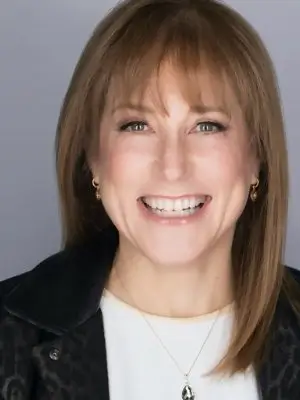
Denise Hamburger
Executive Director of BE REAL USA, Anti-Bias Antiracist certified curriculum writer, teacher, and attorney
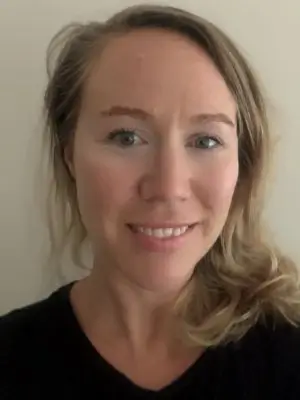
Zali Yager
Associate Professor at the Institute for Health and Sport at Victoria University; CEO, The Body Confident Collective
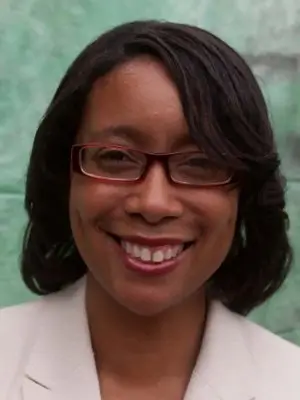
Jennifer Webb
Associate Professor in the Department of Psychological Science and Health Psychology at UNC Charlotte
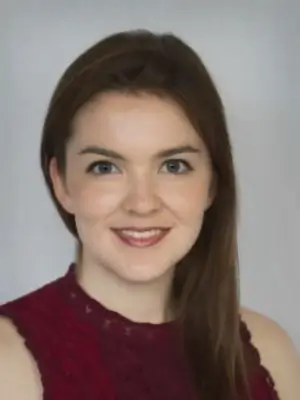
Ciara Mahon
Associate Professor in the Department of Psychology at Dublin City University
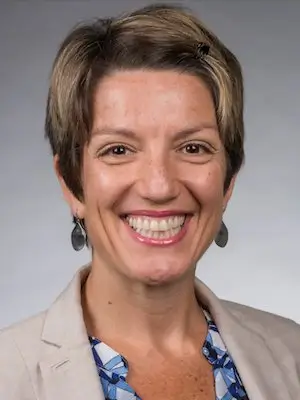
Luciana Zuest

Allyson Latvala
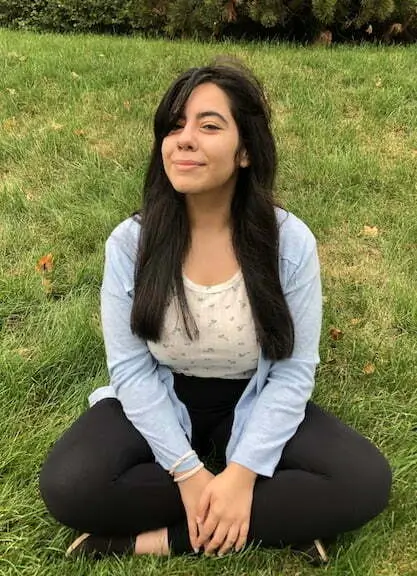
Verenice Gomez-Trejo
“I learnt how much social media affects us in how we look. I knew it did but perhaps not to the extent I would have thought it did without us even noticing.”
“I’ve tried talking to myself as if it were a friend feeling bad about themselves and I was much kinder.”
“I thought about how my words might impact other people.”
Become a Peer Facilitator for BE REAL’s Bodykind College Seminar

College Peer Facilitator
View our training video which teaches you how to facilitate a peer discussion. Then, take a 11-question test. When you get 90% on the test you get access to the following for free:
The College BodyKind seminar:
- The College BodyKind Toolkit (45 pages)
- Module Plans
- Worksheets
- Pages of helpful information for you to teach it in class
- Google or Powerpoint Slides for discussion group (links up to a TV with your computer and an HDMI cord)
- Understanding Others College Body Stories (PDFs)
Group Training
We will train your group in person or on Zoom. We’ll go through best practices for teaching the College BodyKind seminar and discuss specific issues at your school.
$2000 for 2+ hours training
For access to the College BodyKind curriculum facilitators will be directed to take 11-question test. When teachers get a 90% on the test they will be given access to:
- The College BodyKind Toolkit (45 pages)
- Module Plans
- Worksheets
- Tips and Tools for Teaching
- Google or Powerpoint Slides for discussion group
- Understanding Others College Body Stories (PDFs)
Group Training Request Form
Please fill out the form below to request Virtual Group Training for your team. We will be in touch with you in the next few days to start the process.
In-Person Group Training Request Form
Please fill out the form below to request In-Person Group Training for your team. We will be in touch with you in the next few days to start the process.