Let’s Eat!
Changing the way nutrition is taught to reduce body dissatisfaction, prevent eating disorders and better nourish everyone!
The lessons are created for middle school and high school students.
Let’s Eat
Lessons Overview
As adults, it’s been confusing over the last decades to know how and what to eat. We’ve experienced the fat-free prescriptions of 40 years ago, followed by low-carb advice for the last 20 years, to today’s current meal skipping protocols. Many of us know a lot about nutrition and how we “should” eat, but we are unhappy with our bodies. We are disappointed with ourselves because we believe we don’t have the “willpower” to look like the appearance ideals of the day. Most of us haven’t yet embraced what science knows, that body size is up to 90% determined by genetics (Silventoinen et al., 2023; Kolata, 2016; Mann et al., 2007) and other factors beyond our control (O’Hara & Taylor, 2018).
The experiences of the “adults in the room” (us–teachers and parents) over the last 50 years along with our society’s obsession with body size and weight loss (“diet culture”) has produced an adult population that can be painfully uncomfortable in our own skin (Fiske et al., 2014). And when we feel negatively about ourselves, of course, it negatively affects how we teach young people to eat and live happily in their own bodies.
“The Let’s Eat Toolkit is really fantastic. This is exactly the type of curriculum material I’m hoping to get on my daughter’s school district’s radar!”
Let’s Eat is created in partnership with


Not Your Usual Nutrition Lesson…
Educators want clear, research-backed advice helping teach children what and how much to eat. But from years of experience teaching children, we know it’s not that simple. The one thing we know for sure is we need something different from what we are doing today. We have almost 70% of adolescent girls and 45% of adolescent boys restricting their food intake to become smaller (Sharpe et al., 2018; Neumark-Sztainer et al., 2004); with 75% of adolescents suffering body image distress (Milton et al., 2021); and disordered eating and eating disorders at an all-time high (CDC MMWR 2022; Radhakrishnan et al., 2022; Lin et al., 2021; Otto et al., 2021).
A recent study found that school “healthy eating” education may actually be part of the problem with a potential to “trigger eating disorders” (Lin et al., 2023). The field has known for years that some of the usual “healthy eating” curriculum practices are problematic. This includes much of what is currently found in school health textbooks on “healthy eating:” (1) talking about “good and bad” foods (Faw et al., 2021; Harrison, 2017; Rozin et al., 1996); (2) calorie counting (Simpson & Mazzeo, 2017; Davis 2015; Gregory 2013); (3) using food logs (Plateau et al., 2018); and (4) weighing students in school (Madsen et al., 2021). All of these common, “healthy eating” discussions can harm young people’s body image and mental health (Lin et al., 2023, Hanson & Markey 2022). In addition, we know that “forbidding” certain foods and food groups is harmful, making the forbidden food even more appealing and causing young people to feel “out of control” around food (Jansen et al., 2007). Young people are confused about how to fuel themselves for their lives.
We know we need to do something different from what we have been doing to help young people grow up comfortable in their bodies and with eating. We teach a new paradigm called Tuned-In Eating, that in addition to preventing body dissatisfaction and eating disorders, is relevant across cultures, economic status and neurodiversity.
Let’s Eat! curriculum includes:
Appropriate for Middle School & High School students
Four-Part Lesson Plan taking two 50-minute class periods
Worksheets and Homework
Classroom slides
Training videos for teachers
We teach Tuned-In Eating with expertise from: public health officials, dietitians, eating disorder experts, medical doctors, and researchers. We give students the guidance they need to to notice their body’s hunger and fullness cues to decide what and how much to eat. We teach young people to fuel themselves for their lives and enjoy their food by incorporating Tuned-In eating skills with a gentle focus on nutrition (Rowell, 2023; Cormack et al., 2020; Hazzard et al., 2021). These research-based lessons are culturally-inclusive tools that are designed not only for students‘ physical health, but for their mental well-being.
Let’s Eat Lesson Overview
Part 1: Introduction
In the Introduction students learn what is and what isn’t Tuned-In Eating. They learn why it is an important part of a personal, self-care and body confidence. Students learn about Food Insecurity.
Part 2: Body Cues
Tuned-in Eating involves discovering eating guidelines (not rules) for each student. Students do this by getting curious and asking themselves “Food & You” questions and experimenting around food. They are the experts on their own bodies. Students learn how to identify when they are hungry and when they are satisfied.
Part 3: Reasons We Eat: Nutrition
In Part 3, students will learn that we eat for many different reasons. These reason include eating for nutrition & energy, satisfaction, connection, and pleasure. We discuss why eating nutritious food is important to keep our bodies running well. We do an exercise that has student fuel themselves for their day with their own schedule and the nutrition information discussed in class.
Part 4: Reasons We Eat: Pleasure & Community
Students tune into foods they enjoy and what they like about them. They have a Food Explorations exercise about food taste and texture, which is part of Tuned-In Eating. Students talk about how they eat in their own communities and have an opportunity to share what they eat and how they celebrate in their homes, coming from different cultures.
Homework: Tuned-in Post-It
For homework, students will take home “Tuned-In Eating Post-its.” These have questions students ask themselves to help them practice Tuned-In Eating in each of the next day’s eating experiences. There is a teacher tutorial included in the lesson plans for teacher instruction on how to use the Post-It.

BE REAL’s Let’s Eat Lessons were created with creative collaboration from public health officials, dietitians, eating disorder experts, medical doctors, and researchers.
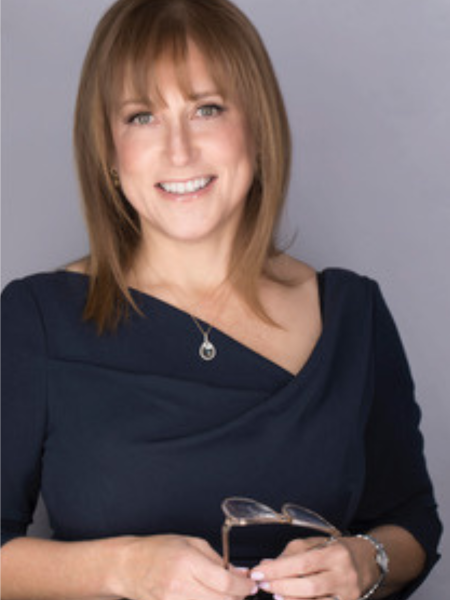
Denise Hamburger
Founder and Executive Director of BE REAL USA, curriculum writer, teacher, and attorney
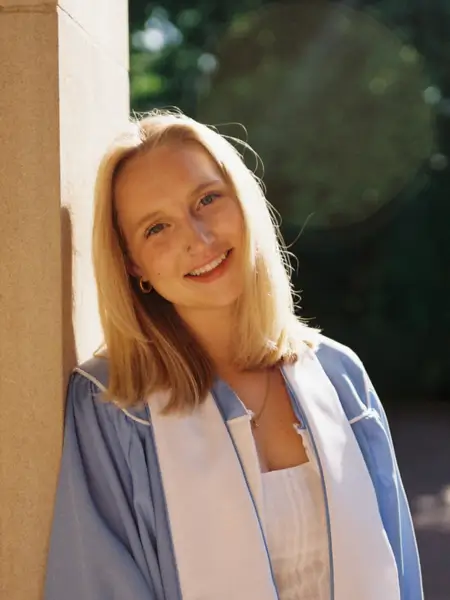
Ally Latvala
Columbia University Masters in Nutrition student, UNC-Chapel Hill Graduate in Public Health and Nutrition
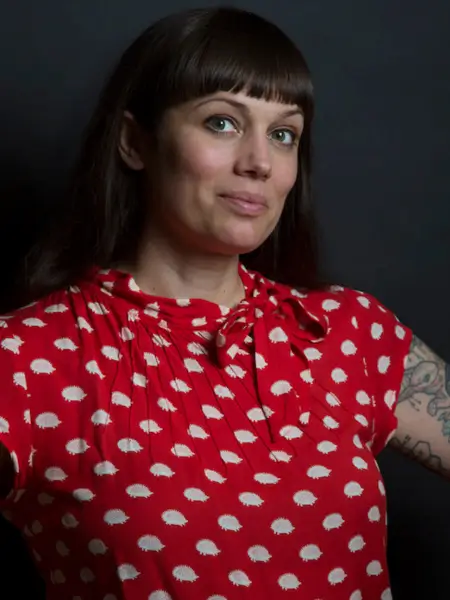
Selena Salfen, MPH, RD
Saint Paul - Ramsey County Public Health, Weight Inclusive Ramsey County Initiative
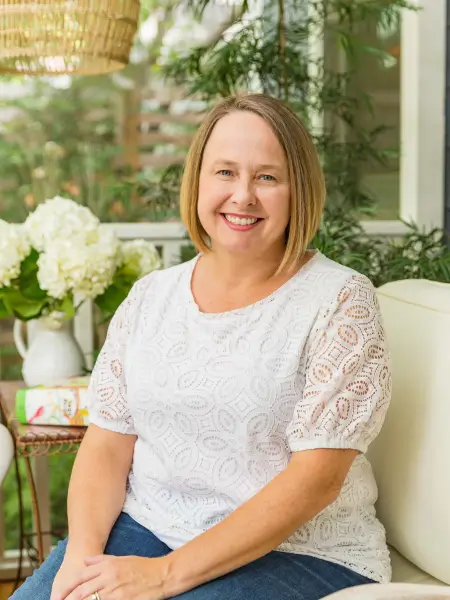
Anna M. Lutz, MPH, RD, LDN, CEDS-C
Sunny Side Up Nutrition, Dietitian specializing in pediatric/family nutrition and eating disorders

Angela Goens, MS, RD, LD
Rooted Nutrition Services, BIPoC Eating Disorders Conference, EDRD Pro Education Director
Whitney Trotter, DNP, APRN, PMHNP-BC, RDN/LDN
Eating disorder specialist, Anti-racism educator & consultant
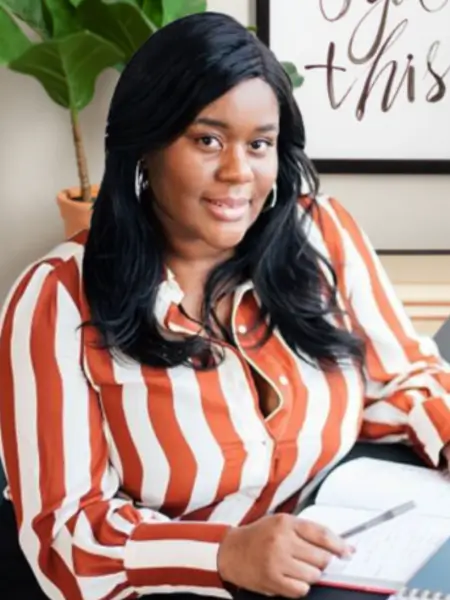
Esther Tambe, MS, RDN, CDN, CDCES
New York-based, Weight-inclusive Dietitian and Diabetes Educator
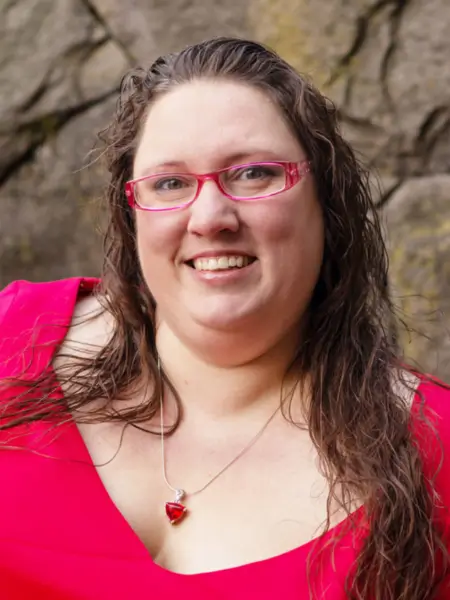
Ragen Chastain, BCPA
Speaker, writer, and researcher at WeightAndHealthcare.com
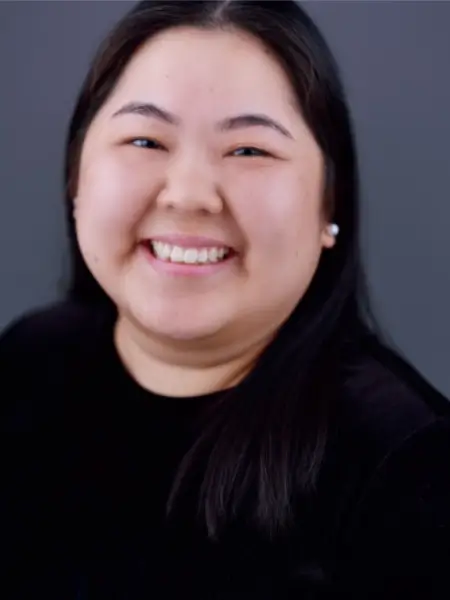
Melissa Vang, MPH, RD
Community Nutrition Management Analyst, Minnesota State Department of Education
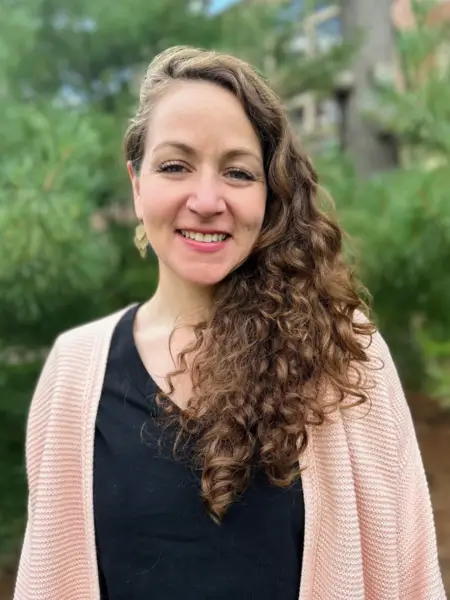
Blair Burnette, PhD
Assistant Professor in the Clinical Science area of the Department of Psychology at Michigan State
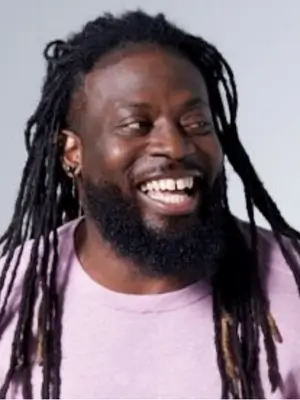
William Moore, CPE
Racial and Health Equity Administrator, Coach, Doula, Former Teaching Assistant & YMCA Senior Program Coordinator

Elizabeth Jackson, MS, RDN, LD
Nurturing Eating, specializing in eating disorders, child/family feeding issues, weight inclusive nutrition
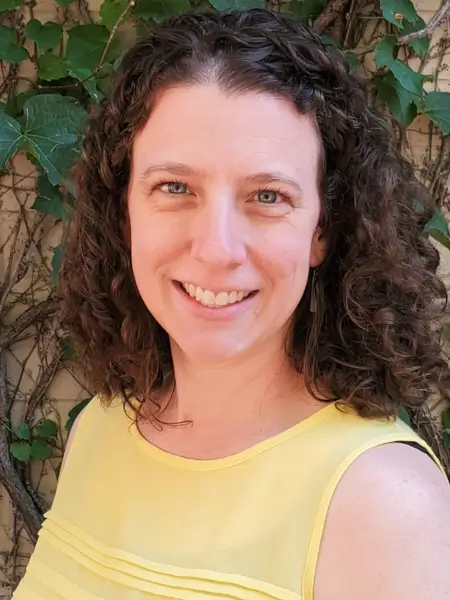
Hilary Gebauer, MPH, RDN, LD
Nutrition Policy Coordinator, Minnesota Department of Health

Virginia Sole-Smith
Author of FAT TALK: Parenting in the Age of Diet Culture and the Burnt Toast newsletter
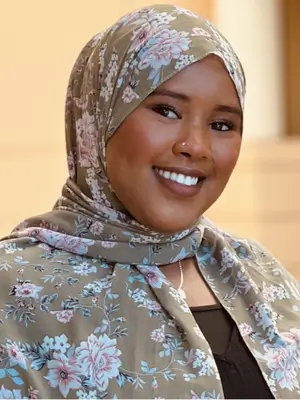
Ubah Omar
Public health advocate and MPH graduate student

Aaron Flores, RDN
Certified Body Trust Specialist, private practice dietitian, and host of the podcast Men Unscripted
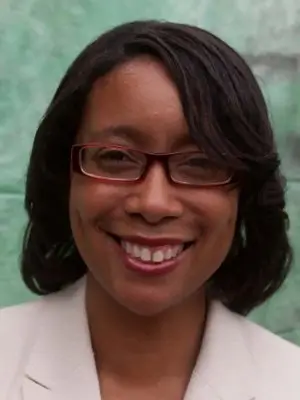
Jennifer Webb, PhD
Associate Professor in the Department of Psychological Science and the Health Psychology PhD Program at UNC Charlotte
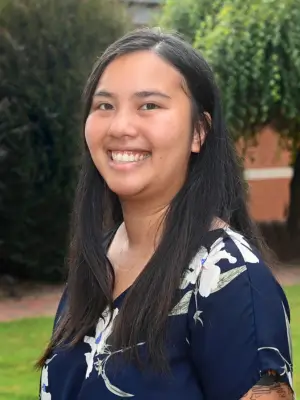
Lia Bauert
PhD student in Clinical Health Psychology at UNC Charlotte

Nani Brown-Shelton
UNC Charlotte Graduate in Psychology and Health Communications

Mariah Roseboro
UNC Charlotte graduate with a B.S. in Psychology and alumna of Dr. Jennifer Webb's WE ARE MIND-BODY KYND Labr

Zali Yager, PhD
Executive Director, Body Confident Collective; Associate Professor at Victoria University, Melbourne, Australia
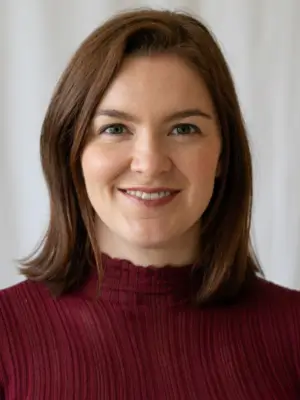
Ciara Mahon, PhD
Assistant Professor of Psychology at Dublin City University, Ireland
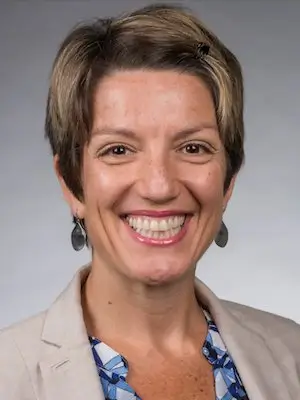
Luciana Zuest, PhD
Associate Professor in Department of Kinesiology at Towson University
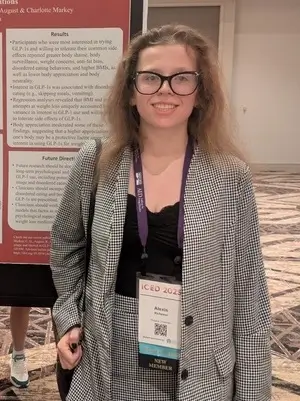
Alexis Richeson
PhD student in Prevention Science at Rutgers University with a B.S. in Psychology and an M.S. in Prevention Science
Thank you to: Katja Rowell (MD), Kevin Green (@KevindoesARFID), Verenice, Gomez-Trejo (BS), Miriam Nelson, Amanda Vanyo (RD), Charlotte Markey (PhD), Alexis Richeson (Rutgers graduate student), Amelia Sherry (MPH, RD, CDCES), Andrea del Mar Flores-Hernández (MPH, CHES), Tiffany Pao Yang (MPH), Hsin Yun Huang (Public Health Nutrition graduate student), and Elizabeth Jackson (MS, RDN, LD).
Thank you to our amazing teachers who trialed the lessons and gave us amazing feedback: Elena Beeck (OR). Logan Heyerly (OR), Sara Flory (FL), Nicole Coppage (FL), Karen Hong (MN), Dr. Lesley Williams (AZ), Leslie Petross (LA), Bo Hindley (OR), Emily Dennison (OR), Sarah Ullmer (MN), Sarah Hartman (MO), and as always, Kate Kalnes (IL).

Group Training Request Form
Please fill out the form below to request Virtual Group Training for your team. We will be in touch with you in the next few days to start the process.
In-Person Group Training Request Form
Please fill out the form below to request In-Person Group Training for your team. We will be in touch with you in the next few days to start the process.